


Playful Eats: Fix Picky Eating
4.421.00 Reviews
App Specs
- Version
- 1.0.6
- Updated On
- License
- Free
- Downloads
- 10,000+
- Developer
- SpeakEasy Community
- Categories
- Parenting
- Platform
- Android
Screenshots




 Analysis by AppCompare
I approached Playful Eats: Fix Picky Eating as a parent looking for practical help rather than another source of pressure at mealtimes. This free parenting app from SpeakEasy Community is aimed at children from birth through age eight, with a simple goal: make it easier to introduce foods and reduce the tension that can surround eating. My overall impression is that it works best as a gentle conversation starter and planning aid, not as a replacement for professional feeding support or a guaranteed solution for selective eating.
The app has a 4.4 average from around 50 ratings, and it has passed the early stage of reaching over 10 thousand installs. It is rated for Everyone, which fits its family-oriented purpose. The release is dated August 9, 2024, and the current version is 1.0.6. Those details suggest a relatively young product, so I would approach it with interest but also with realistic expectations: its value depends heavily on how well its playful approach matches your child and your family’s routine.
How clearly the app presents its guidance
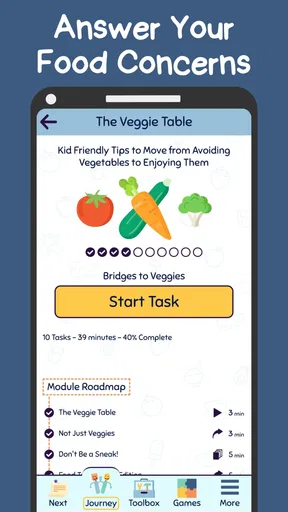
I look at how clearly Playful Eats frames its guidance, because parents need to understand an idea quickly before deciding whether it belongs in their routine. Clear presentation can make a suggestion easier to adapt, but it still takes judgment to match it to a child’s age and comfort level. That leads naturally to the practical question of how a parent can turn a prompt into a manageable mealtime plan.
Readability and navigation for busy parents
The strongest part of the concept is its direct focus. Instead of presenting itself as a broad child-development toolkit, it concentrates on adding foods and making meals feel easier. That narrow purpose matters when I am trying to use an app with one hand while preparing dinner, supervising a child, or dealing with a rushed morning. A parent usually needs a next step, not a long lecture, and Playful Eats is most useful when it keeps attention on one small eating challenge at a time.
The playful framing also has an important readability benefit. Food refusal can make parents search for alarming explanations or compare their child with other children. A lighter presentation can lower that emotional temperature. I found the idea more approachable than a clinical-looking tracker because it invites experimentation rather than implying that every meal is a test. For families who feel stuck, that difference in tone may be enough to make them try again without turning the table into a negotiation.
Still, parents should distinguish between material that is easy to understand and material that is complete enough for their situation. A short, friendly prompt can be helpful for ordinary hesitation, but it may not answer the deeper questions behind persistent refusal. If a child has pain, choking concerns, extreme distress, a very restricted diet, or a developmental feeding issue, the app should sit alongside advice from a pediatrician or feeding specialist rather than become the main source of direction.
One useful way to approach the app is to use it before a meal, not during the most difficult moment. I would spend a few minutes choosing one realistic food-related goal, then put the phone away. That keeps the app from becoming another object competing for the child’s attention. It also turns the guidance into a plan that can be carried out at the table instead of a screen activity that has to be maintained while everyone is already frustrated.
Worth Reading Before You Choose

EA SPORTS FC Mobile 26 Is a Bigger Football Game, but It Takes Time

Flipboard Shows What News Apps Must Do Beyond the Feed

Switching to Android Auto Means Rethinking Your Driving Routine

Google Calendar Makes a Crowded Week Easier to Manage

Ludo King Makes the Most of the Minutes Between Plans

Baby Panda World Brings Quick Play to Modern Phones, but Its Game Library Feels Busy
Different ages need different expectations
The broad age range, from babies to children aged eight, is convenient but also creates a built-in limitation. A strategy that makes sense for a toddler who is just becoming familiar with textures will not necessarily suit an older child who has strong preferences, social worries, or years of negative mealtime experiences. I would treat the age range as an invitation to adapt the suggestions, not as proof that every part of the app will feel equally relevant throughout childhood.
For a younger child, the useful outcome may simply be calm exposure: seeing, touching, smelling, or having a small amount of a new food nearby. For an older child, the parent may need to offer more choice and involve them in deciding how to approach the food. The app can be a prompt for those conversations, but the adult still has to translate its playful tone into an age-appropriate activity. That human judgment is not a weakness of the product alone; it is essential for any parenting tool covering such different stages.
I also would not assume that a child must interact with the app directly. In many homes, the parent will get more value by reading the guidance privately and turning it into an offline activity. This is particularly important for children who become distracted by bright screens, resist instructions delivered through games, or feel that eating is being monitored. The app can support the adult’s planning without becoming part of the child’s performance at the table.
Motor and sensory considerations
Food-related difficulties are often sensory, and that is where a playful approach needs careful handling. A child may react to smell, temperature, texture, appearance, mixed foods, noise, or the feeling of being watched. A suggestion that sounds easy to an adult can be overwhelming for a child who experiences a new food as genuinely uncomfortable. I would therefore use the app’s ideas as flexible invitations, stopping well before distress rather than treating completion as the goal.
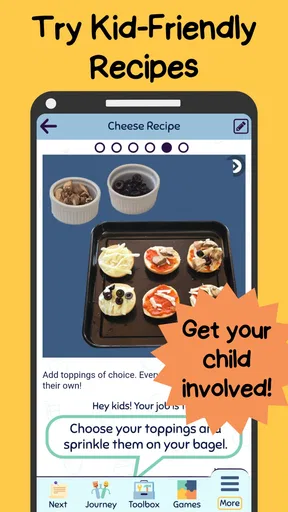
There is a practical distinction between encouraging exploration and demanding consumption. Letting a child look at a food, move it on the plate, smell it, or touch it can be a lower-pressure first step than asking for a bite. That gradual approach is one of the most valuable ways parents can interpret a playful eating tool. It respects sensory boundaries while still creating familiarity. If a suggestion seems to turn exposure into a challenge that must be won, I would soften it or skip it.
Motor ability matters too. A young child may not be able to manage the same utensils, portions, or food presentation as an older child. A parent can make an activity more accessible by offering manageable pieces, allowing extra time, and reducing unnecessary handling. However, I would not read the app as a substitute for individualized occupational, speech, or feeding therapy when coordination, chewing, swallowing, or oral-motor skills are concerns. Those situations require assessment that a general parenting app cannot provide.
Another consideration is the parent’s own sensory and cognitive load. Mealtimes can involve noise, mess, siblings, time pressure, and competing responsibilities. A plan that requires several steps may look appealing in a quiet moment but fail during a weekday dinner. My practical advice is to choose the least complicated version of any activity: one food, one small exposure, and one calm response. If the app helps a parent simplify rather than add another task, it is serving its purpose well.
Using it across real family situations
Playful Eats is most promising in ordinary situations where a child eats a limited selection but is otherwise safe and growing as expected. Imagine a parent preparing pasta for a child who rejects vegetables. Instead of hiding ingredients or bargaining over a required bite, the parent could use the app to plan a low-pressure introduction: place a tiny portion of a vegetable beside a familiar food, allow the child to decide whether to inspect it, and keep the rest of the meal dependable. The app’s value in that moment is not making the vegetable disappear; it is helping the parent avoid turning one food into a confrontation.
That same approach can be adjusted for breakfast, packed lunches, restaurant visits, or holidays. A child who manages familiar food at home may struggle when the plate, room, timing, or smell changes. I would use the app to prepare for one change at a time rather than introducing several unfamiliar elements together. For example, keeping a known food on the plate while changing only the shape or presentation of another item may be more manageable than replacing the entire meal.
Situational access also includes who is doing the feeding. If several adults care for the child, consistency becomes important. A parent might privately review the app and agree with grandparents, childcare workers, or another caregiver on a shared response to refusal. The goal would not be identical wording, but a common principle: avoid shame, keep expectations realistic, and do not make a new food the price of receiving the rest of the meal. This is an area where the app can support family communication even when the child never opens it.
Travel and low-connectivity situations are another reason not to depend on the phone at the table. I would prepare any ideas before leaving home and carry out the activity offline with familiar foods. The app is more useful as a source of preparation than as something that must be available at every meal. That distinction helps families who share devices, have limited screen time, or cannot reliably use an app while away from home.
Where access and inclusion still have limits
The biggest remaining barrier is that a broad, playful product cannot automatically account for every disability, medical condition, culture, household budget, or family routine. Food choices are shaped by allergies, religious practice, sensory needs, medication, income, cooking equipment, and local availability. I would never follow a suggestion literally if it conflicts with a child’s medical plan or safe-food requirements. The parent has to filter every idea through information from the child’s healthcare team.
There is also a risk that the word “picky” may not fit every child fairly. Some children are cautious eaters, while others have serious feeding challenges that are misunderstood as stubbornness. Families should be careful not to use playful language to minimize distress or blame the child. If meals regularly involve panic, exhaustion, unsafe swallowing, nutritional concerns, or a very narrow range of accepted foods, professional help is more appropriate than trying more app-based encouragement.
Cost is another point to consider. The app itself is free, but it includes in-app purchases ranging from $11.99 to $59.99 per item. For a family deciding whether to try it, that means the initial download does not necessarily represent the full financial commitment. I would explore the free experience first and judge whether its approach fits the child before paying for anything. A paid option may be worthwhile for a family that uses the guidance consistently, but it is not automatically better than a simple plan developed with a healthcare professional or trusted parenting resource.
The minimum operating-system requirement is version 9, which makes the app available to many older devices. That is helpful for households that do not replace phones frequently. Even so, device access is not the same as inclusive access. A parent may have an older screen, limited storage, shared hardware, or little time to learn a new interface. The most accessible workflow is likely to be the one that requires brief parent-led use and then moves away from the device.
Because the app is a relatively new release, I would also keep expectations modest about how mature its guidance and presentation may feel. The current version is 1.0.6, and the product has a smaller review history than long-established parenting resources. That does not make it unsuitable, but it does mean I would pay attention to how well it handles my child’s specific needs rather than assuming its general audience promise covers every situation.
Who should try it, and who should choose something else
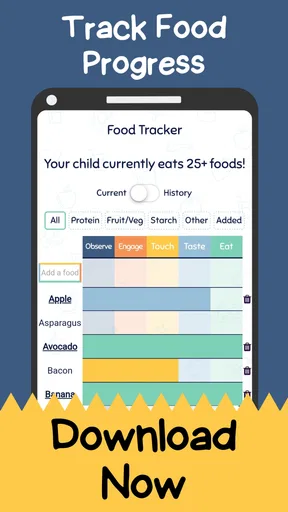
I would recommend trying Playful Eats if you want a friendly structure for introducing foods, you prefer low-pressure activities, and your child’s eating challenge is mainly ordinary hesitation or a narrow comfort zone. It may be especially useful for a parent who knows that repeated arguments are making meals worse but needs help turning that insight into a calmer routine. The app’s parenting focus makes it more relevant than a generic recipe collection or a calorie-oriented food tracker.
I would be more cautious if you are looking for detailed nutritional analysis, medical feeding guidance, allergy management, or a clinical assessment. A recipe app may be better when the main problem is finding family meals. A food diary may be better when a healthcare professional has asked you to record intake. A specialist service is the better choice when eating affects safety, growth, development, or daily functioning. Playful Eats can complement those options, but it should not be expected to replace them.
Families who dislike gamified or cheerful language may also find the tone less suitable. Some children respond well to imagination and small challenges; others feel pressured when adults make food into a game. In that case, I would borrow the app’s gradual approach but remove the playful framing. The useful principle is respectful exposure, not forcing a child to participate in a particular style of activity.
My inclusive verdict
After looking at the app through the realities of different abilities and family contexts, I see Playful Eats as a potentially helpful starting point with clear boundaries. Its free entry, Everyone rating, and focus on children from birth through age eight make it approachable for many households. The 4.4 average from around 50 ratings shows encouraging early reception, while the install count of over 10 thousand suggests that other families are beginning to discover it. Those figures are useful signals, but they do not tell me whether the approach will suit a child with complex sensory or medical needs.
What I like most is the possibility of changing the parent’s behavior before trying to change the child’s plate. A calmer plan, smaller steps, and less pressure can make a meaningful difference in everyday meals. My most practical recommendation is to use the app privately, select one manageable experiment, keep a familiar food available, and judge success by reduced tension or increased comfort rather than by whether a new food is swallowed immediately.
What keeps me from giving it an unqualified recommendation is the gap between a broad parenting app and the complexity of feeding. The age range is wide, the playful method will not suit every sensory profile, and optional purchases can make the eventual cost less straightforward than the free download suggests. For families facing serious feeding barriers, a qualified professional should lead the plan.
For the right household, though, this is a sensible app to test without turning it into the center of family life. I would use it as a short planning companion, adapt every idea to the child, and keep the actual meal focused on safety, dignity, and connection. Its best contribution is not a promise to “fix” a child’s eating, but a practical nudge toward lower-pressure exposure. That makes it worth exploring for everyday picky-eating struggles, while leaving room for more specialized support when the situation calls for it.
Pros
- Fun mini-games make trying new foods feel less intimidating.
- Colorful visuals and friendly characters appeal to younger children.
- Simple activities are easy for parents and kids to understand.
- Can encourage positive conversations about food at mealtimes.
- Suitable for short
- relaxed play sessions without complex controls.
Cons
- Benefits depend heavily on regular parent involvement and encouragement.
- May not address allergies
- sensory issues
- or medical feeding concerns.
- Some children may lose interest after repeating the same activities.
- Food suggestions may not suit every family’s culture or diet.
- Parents should not treat it as a replacement for professional advice.
FAQs for Playful Eats: Fix Picky Eating
What is Playful Eats: Fix Picky Eating?
Playful Eats: Fix Picky Eating is a family-focused app designed to make mealtimes more positive for children who are selective or hesitant eaters. It uses playful activities, food exploration ideas, and practical guidance to help parents introduce variety without turning meals into stressful negotiations. The app is intended to support gradual progress rather than promise an instant solution to picky eating habits.
How can Playful Eats help with a child’s picky eating?
The app encourages children to interact with food in small, low-pressure steps, such as looking at, touching, smelling, and eventually tasting unfamiliar ingredients. Its playful approach can help make new foods feel less intimidating while giving parents ideas for creating calmer routines. Results will vary from child to child, and consistent encouragement at home is still an important part of the process.
Is Playful Eats: Fix Picky Eating suitable for every child?
Playful Eats may be useful for families dealing with common picky eating behaviors, food neophobia, or resistance to trying unfamiliar foods. However, it should not be considered a replacement for professional advice. Children with allergies, swallowing difficulties, significant nutritional concerns, developmental conditions, or extremely restricted diets may need individualized support from a pediatrician, dietitian, or feeding specialist.
Does the app provide meal plans or specific food recommendations?
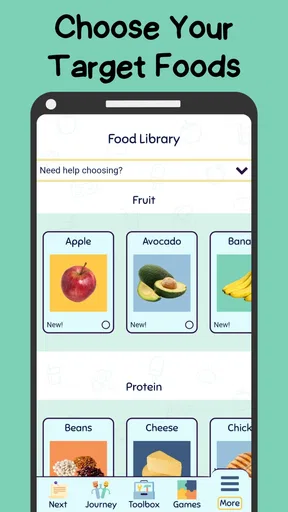
Playful Eats focuses primarily on helping children develop a more comfortable relationship with food through activities and gradual exposure. Depending on the version and available content, it may include suggestions, challenges, or ideas that parents can use during meals. Parents should always adapt recommendations to their child’s age, allergies, cultural preferences, and nutritional needs rather than following them blindly.
Is Playful Eats: Fix Picky Eating free to download?
The app’s download price, available features, subscriptions, and in-app purchases can depend on whether you use the Android or iOS version and on changes made by the developer. Before installing, check the official store listing for current pricing, trial information, renewal terms, and privacy details. Reviewing these conditions first helps avoid unexpected charges and clarifies which tools are available without payment.


